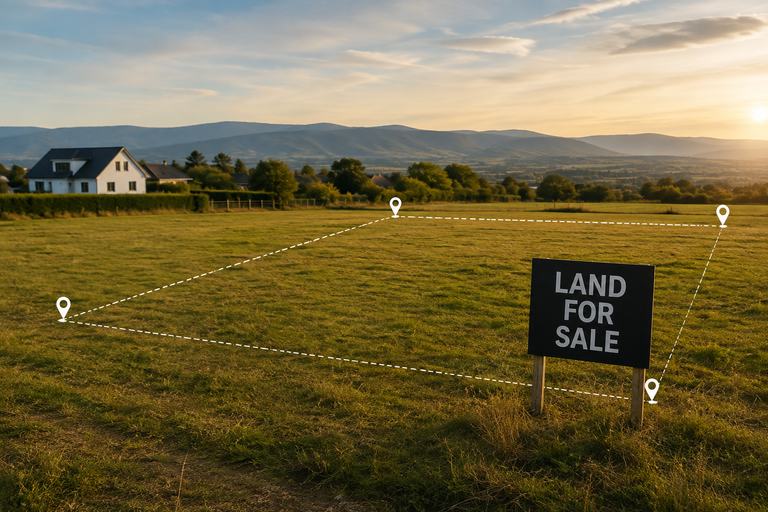
9 Hidden Costs of Buying Cheap Land Before You Build a House
Cheap land is tempting. But the asking price is only the first number.
A plot can look like a bargain until you start pricing what it takes to make it genuinely buildable: utility connections, access, excavation, drainage, retaining structures, site preparation and all the work between the road and the future house.
After going through a real construction project, I would not start by asking “How much does this land cost?” I would ask a different question:
“How much will this land cost me before I can actually build on it?”
The 9 hidden costs at a glance
- Water connection
- Electricity connection
- Construction access
- Excavation and ground conditions
- Slope and retaining structures
- Drainage
- Sewer or an alternative wastewater system
- Clearing and site preparation
- Distance from existing infrastructure
This article focuses specifically on those hidden site costs. If you are still comparing plots more broadly, my guide to what I’d check before buying land to build a house covers access, legal checks, planning restrictions, terrain and other due-diligence questions.
1. “Water Is Available” Wouldn’t Be Enough for Me
One phrase I would never take at face value now is “water is nearby.” Nearby where — at the property boundary, across the road, or hundreds of metres away?
A connection can involve more than a pipe. Depending on the site, there may be trenching, excavation, road crossings, connection fees, permits and restoration work. The farther the connection point is from the future house, the more labour, material and coordination may be involved.
What I’d want to know
- Where exactly is the nearest usable connection point?
- How far is it from the planned building area?
- Who is responsible for the work and the connection fee?
- Would a public road or other property need to be crossed?
- What is the alternative if public water is not available?
“Water nearby” is not a cost estimate. Distance matters.
2. Electricity Can Look Close and Still Be Complicated
I would treat electricity the same way. Seeing a utility pole from the property does not necessarily mean the connection will be simple or inexpensive.
I would want to know where the actual connection point is and what has to happen between that point and the house. On a large plot, the future building may sit a long way from the road even though electricity technically reaches the property.
- Long cable runs
- Trenching or underground installation
- Additional poles or equipment
- Vegetation clearing
- Road crossings and permits
The useful question is not “Is electricity available?” but “What will it take to bring electricity to where I actually want to build?”
3. Access Can Affect Almost Every Part of the Build
A plot can legally have access and still be difficult to build on. I would look at the road through the eyes of the people who will eventually need to work there.
- Can a concrete truck reach the building area?
- Can an excavator and other machinery get in?
- Can large deliveries turn around safely?
- Can a crane reach the house if one is needed?
- What happens to the road after heavy rain?
- Does the access need widening, grading, drainage or gravel?
Poor access does not only mean paying to improve a road. It can make everything else more difficult: excavation, deliveries, concrete work, waste removal and contractor access.
A secluded plot may still be worth it. I would simply want the access cost understood before calling the land cheap.
4. Excavation Is One of the Costs I’d Take Most Seriously
Excavation is easy to underestimate because many of the expensive problems are not obvious while you are standing on the surface.
You may see: grass, trees and a beautiful view.
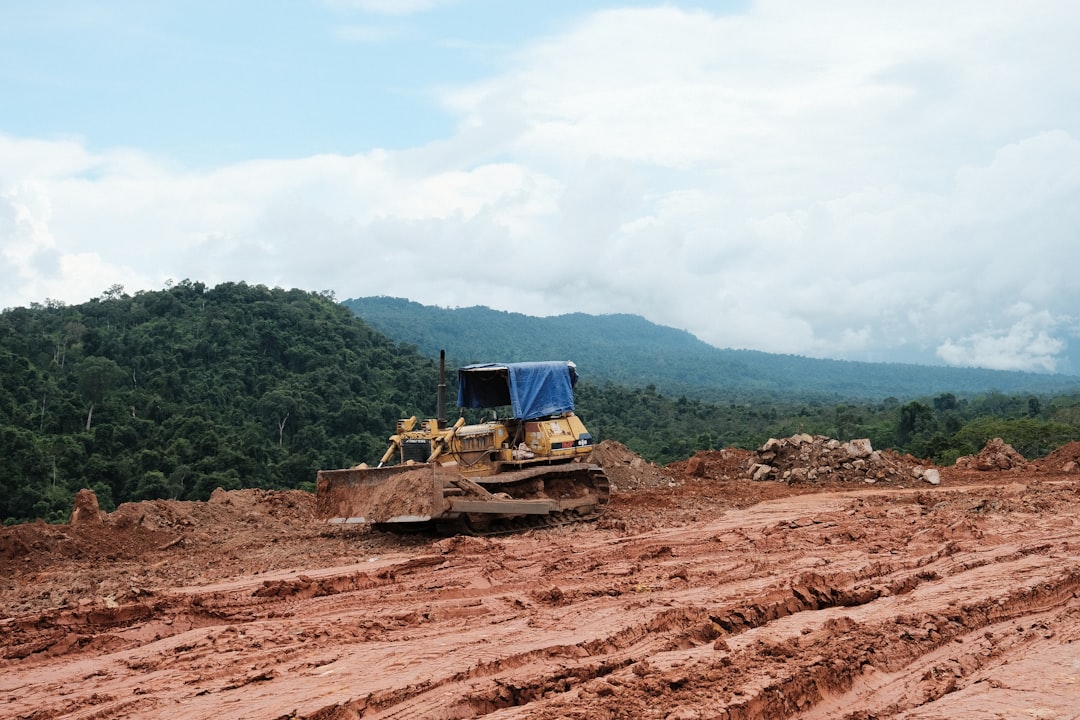
An excavation contractor may see: rock, unstable or difficult soil, steep levels, large cut-and-fill volumes, material that has to be removed, or areas that need stabilisation.
This is why I would never assume that two plots of similar size will have similar construction costs. One may be close to ready for foundations. Another may require significant work before the house itself begins.
Where appropriate, I would get site and soil conditions assessed by qualified local professionals before relying on a rough visual impression.
5. A Sloped Plot Can Create a Chain of Costs
Sloped land can be beautiful. It can create views and interesting architecture, but I would never treat slope as only a design feature.
- More excavation can lead to retaining structures.
- Retaining structures can require additional drainage.
- Changing the building level can affect the driveway.
- Slope can influence foundations, landscaping and structural design.
One decision can create three more. That is why a hillside bargain deserves a different calculation from a straightforward, relatively level site.
When I see a surprisingly cheap sloped plot, my first thought is no longer “Great price.” It is “Why is it cheaper?”
6. Drainage Is Easy to Ignore on a Sunny Viewing Day
I would pay much more attention to how water moves across a property than I once did. A plot can look completely dry during a viewing and behave very differently after several days of heavy rain.
Questions I’d ask on site
- Where does rainwater naturally flow?
- Does water arrive from higher land?
- Are there low spots where water collects?
- Are there signs of erosion?
- Could water move toward the future house or driveway?
If possible, I would want to see the land after bad weather, not only on the nicest day of the year. Drainage is much easier to plan for before the house, driveway and landscaping lock you into expensive solutions.
7. Sewer Availability Can Change the Entire Plan
Just like water and electricity, I would not stop at “sewer is available.” I would find out exactly where the connection is and what it takes to reach it.
If there is no public sewer, I would want to know what alternative system is permitted and whether the site is suitable for it. That may depend on soil, available space, access, required testing and local regulations.
A missing utility is not a minor technical detail. It can affect the layout, budget and sometimes whether the project works as planned.
8. Clearing and Site Preparation Happen Before the Exciting Part
Trees, bushes and uneven terrain can make a property feel private and beautiful. Some of that, however, may sit exactly where the house, driveway, utility trenches, drainage or construction access need to go.
Before construction begins, the site may need clearing, stump removal, grading, surveying, soil testing and other preparation.
This can be frustrating spending: money leaves the budget before you have a wall, window or kitchen to show for it.
But that early work is what makes the later construction possible. I would budget for it as part of the land cost, not as an afterthought.
9. Distance Is the Hidden Multiplier
If there is one idea that connects almost every hidden cost on this list, it is distance.
How far will the house be from the road, water, electricity, sewer and other existing infrastructure? Every extra stretch can mean more trenching, more cable or pipe, more excavation, more materials, more labour and more coordination.
Distance can also affect deliveries and contractor access. This is why a smaller, more expensive plot with infrastructure close by can sometimes make more financial sense than a larger bargain plot that requires everything to be brought in from far away.
The real comparison is “purchase price” vs “build-ready price”
Before becoming emotionally attached to a plot, I would compare the total picture:
- Land purchase price
- Water and electricity connections
- Sewer or an approved alternative system
- Access improvements
- Excavation, grading and clearing
- Drainage and retaining structures
- Surveys, testing, permits and site preparation
Only then would I compare it with another property. The plot with the lowest asking price may not be the plot with the lowest real cost.
The Question I’d Ask Before Buying Any Land
I would not only ask “Can I afford this land?”
I would ask:
“Can I afford to make this land buildable?”
Buying land is emotional. It is easy to stand there, imagine the house, the garden and the view, and mentally move in before checking the expensive details.
I would do the boring calculations first. There will be plenty of time to fall in love with the property afterward.
Costs, connection requirements and building rules vary by location. Confirm site-specific conditions with the relevant utilities, authorities and qualified local professionals before making a purchase decision.
Before You Make an Offer, Evaluate the Land on Paper
The AMAIQBUILD Land Purchase Evaluation Checklist helps you compare potential building plots based on access, utilities, terrain, legal status, restrictions, environmental risks, development potential and overall value before you make an offer.