Cheap Land Can Become Very Expensive: What I’d Check Before Buying Land to Build a House
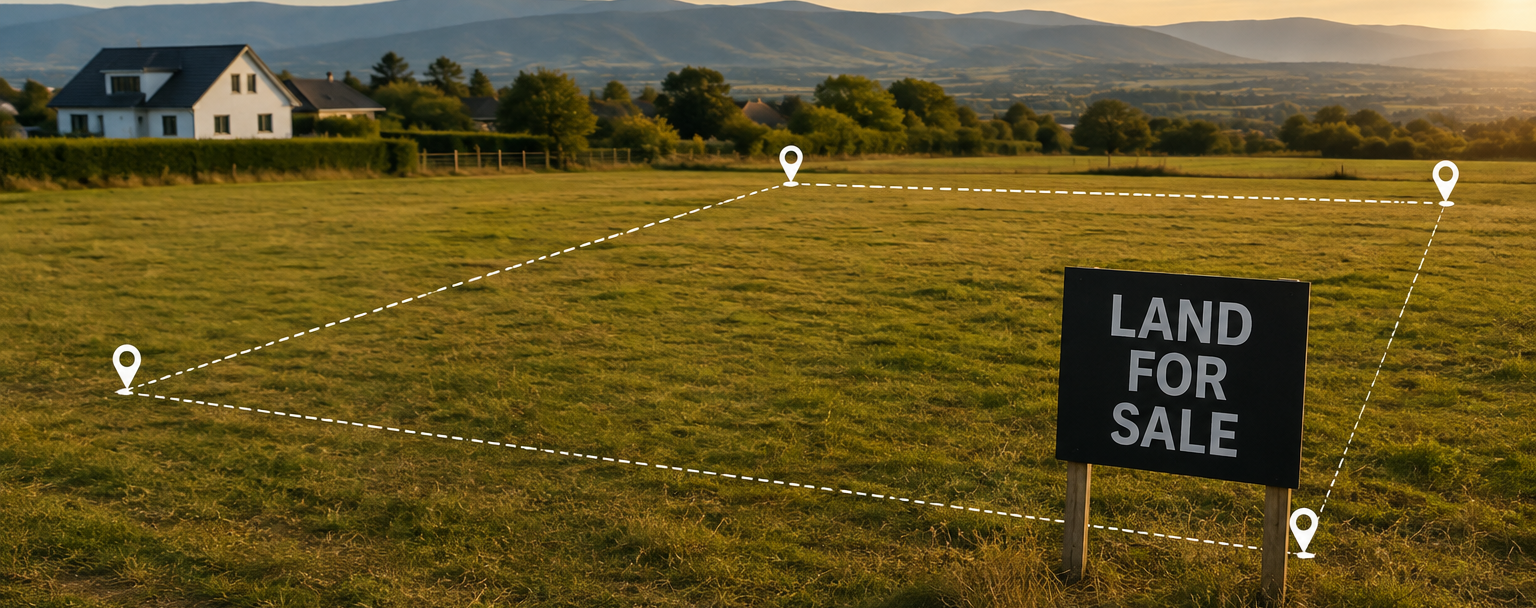
A piece of land can look perfect at first glance.
The location feels right. The price seems reasonable. You can already imagine the house sitting there.
But after going through a construction project myself, I’ve learned that the number you see at the beginning is rarely the number you end up paying.
And land is no different.
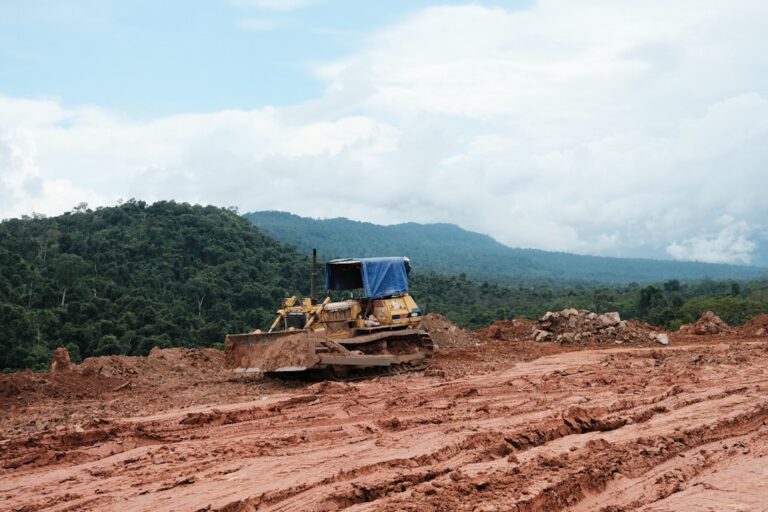
A cheaper plot can quickly become an expensive one when access is difficult, utilities are far away, the terrain requires additional work, or local rules limit what you can actually build.
If I were evaluating land for a future home today, I wouldn’t start by asking:
“Is this land affordable?”
I’d start with a much more important question:
“What will this land actually cost me once I try to build on it?”
That one question changes the way you look at every property.
1. I’d Check Access Before Falling in Love With the Property
A beautiful plot means very little if getting to it becomes a problem.
Before seriously considering land, I would want to understand exactly how the property is accessed.
Is there a legal road leading to it?
Is that road public or private?
Is it wide enough for construction vehicles?
Could trucks carrying materials realistically reach the building site?
These details may seem boring when you are standing on an empty piece of land imagining your future house.
But once construction starts, access becomes very real.
Every delivery, machine, contractor and material has to reach that property somehow.
A difficult site can turn simple construction tasks into expensive ones.
2. I’d Find Out Where the Utilities Actually Are
One of the easiest assumptions to make is that utilities will simply be available when you need them.
I would never assume that anymore.
Before buying, I would want to know the situation with electricity, water, sewer or septic requirements, internet and any other services important to the project.
More importantly, I would ask:
How far are the connections from the actual building site?
“There is electricity nearby” and “electricity is ready at the property boundary” are not the same thing.
The same applies to water and sewer infrastructure.
The purchase price of the land may look attractive, but bringing essential services to the property can change the real cost dramatically.
3. I’d Look at the Shape and Dimensions — Not Just the Size
A larger plot is not automatically a better building plot.
Two properties can have exactly the same total area but offer completely different possibilities.
I would look at the width, depth, shape and usable portion of the land.
A narrow or irregular plot could limit where the house can sit once setbacks and local building requirements are taken into account.
So instead of only asking:
“How many square meters or acres am I buying?”
I would ask:
“How much of this land can I realistically use for the house I want?”
That distinction matters.
4. I’d Take the Terrain Seriously
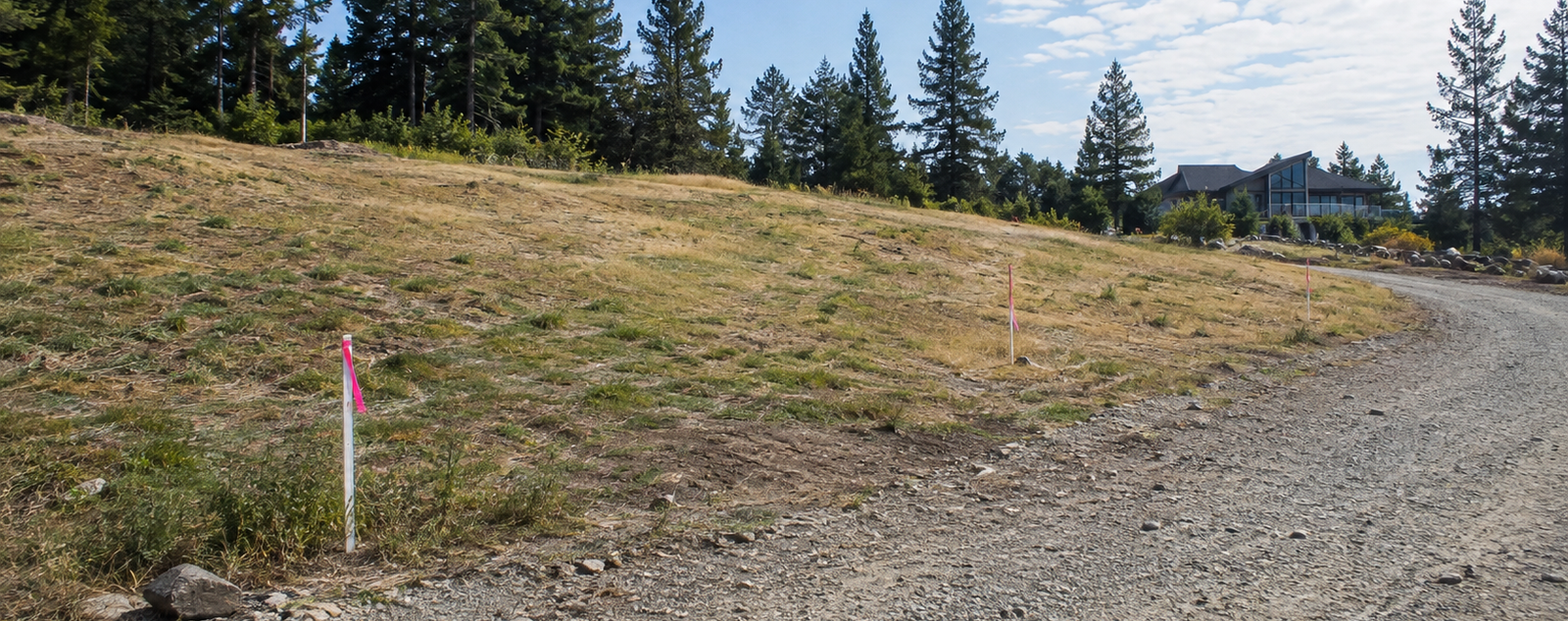
A sloped property can look incredible.
It can also make construction much more complicated.
Before buying land to build a house, I would pay close attention to the topography of the site.
A significant slope may affect excavation, foundations, retaining structures, drainage, driveway design and access.
That doesn’t automatically make sloped land bad.
It simply means I would never evaluate it at the same cost as a straightforward, relatively level building site without understanding what additional work might be required.
The same applies to the ground itself.
Where appropriate, I would want qualified local professionals to assess soil and site conditions rather than relying on appearances.
You cannot see everything that matters by walking across a property for twenty minutes.
5. I’d Verify What I’m Actually Allowed to Build
This would be one of my biggest checks before making a serious commitment.
A property can be beautiful and still be completely wrong for the project you have in mind.
Local zoning, planning rules and building regulations can affect things such as building type, placement, height, setbacks, permitted use and development options.
And because those rules vary enormously by location, I wouldn’t rely on what the seller, listing or neighbor says.
I would verify the current rules with the relevant local authority or qualified professional.
For me, the important question would be simple:
Can I legally build the type of property I’m planning on this particular land?
I would want that answer before buying — not after.
6. I’d Check the Legal Documentation Carefully
This is another area where I would not make assumptions.
Before purchasing land, I would want the ownership and property documentation checked properly for the jurisdiction where the property is located.
I would also want to understand whether there are easements, access rights, restrictions or other recorded issues that could affect the property.
Exactly what needs to be checked depends on the country and location, so this is one of the areas where appropriate local legal or property professionals matter.
The goal is not to become a legal expert yourself.
The goal is to know what questions need answering before your money is committed.
7. I’d Investigate Environmental and Drainage Risks
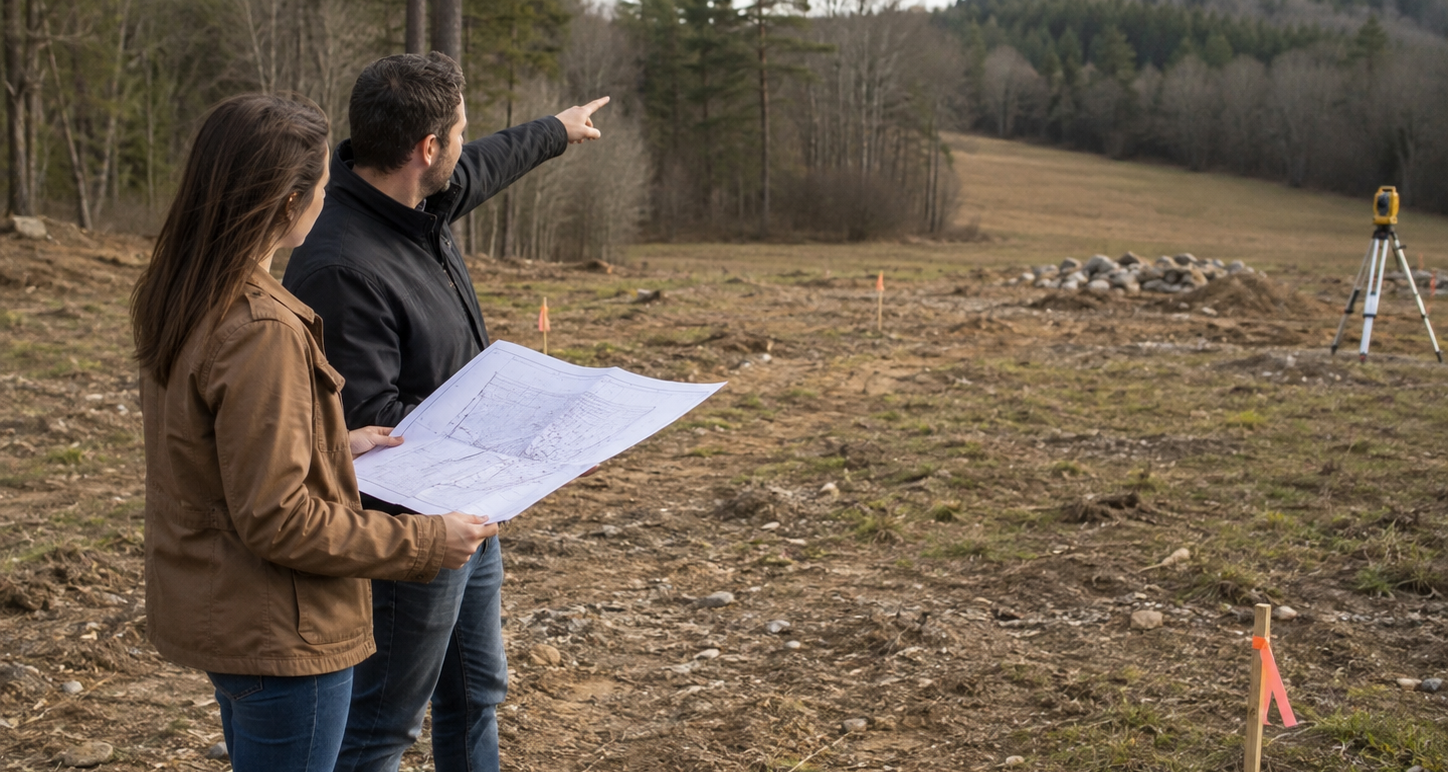
A sunny viewing on a dry day tells you very little about how land behaves after heavy rain.
I would want to understand drainage, flooding risk and any known environmental limitations that could affect development.
I would also look at how water naturally moves across the property and whether neighboring land sits above or below it.
These aren’t glamorous questions.
But construction has taught me that the expensive problems are often the ones nobody was excited to investigate at the beginning.
8. I’d Look for Restrictions That Could Change the Entire Plan
Some land comes with limitations that may not be obvious from the listing.
Depending on the location, these could relate to protected areas, easements, access, architectural requirements, subdivision rules or other development restrictions.
Again, the exact rules vary locally.
But I would want to know about every meaningful restriction before designing the house around an idea that may not be possible.
Planning around facts is much cheaper than redesigning around surprises.
9. I’d Calculate the Cost of Making the Land Buildable
This is probably the biggest mindset shift I would make.
I wouldn’t compare land based only on the asking price.
I would compare the likely total cost of getting each property ready for construction.
Imagine two plots.
One costs $80,000 and already has straightforward access, nearby utilities and an uncomplicated building area.
Another costs $60,000 but needs substantial site preparation, longer utility connections and difficult access.
The $60,000 property isn’t necessarily cheaper.
That is why I would create a rough pre-purchase budget for every serious option.
Land price is only one line in the real budget.
10. I’d Compare Several Properties Using the Same Criteria
Emotion makes property comparison difficult.
You visit one plot with an incredible view and suddenly every practical problem feels solvable.
That is exactly why I like using a scoring system.
Instead of trying to remember everything after several property viewings, I would evaluate each plot against the same categories: access, utilities, dimensions, terrain, regulations, documentation, risks, restrictions, development potential and overall value.
That gives you something much more useful than:
“I liked this one the most.”
It gives you a structured way to ask:
“Which property actually makes the most sense for the project?”
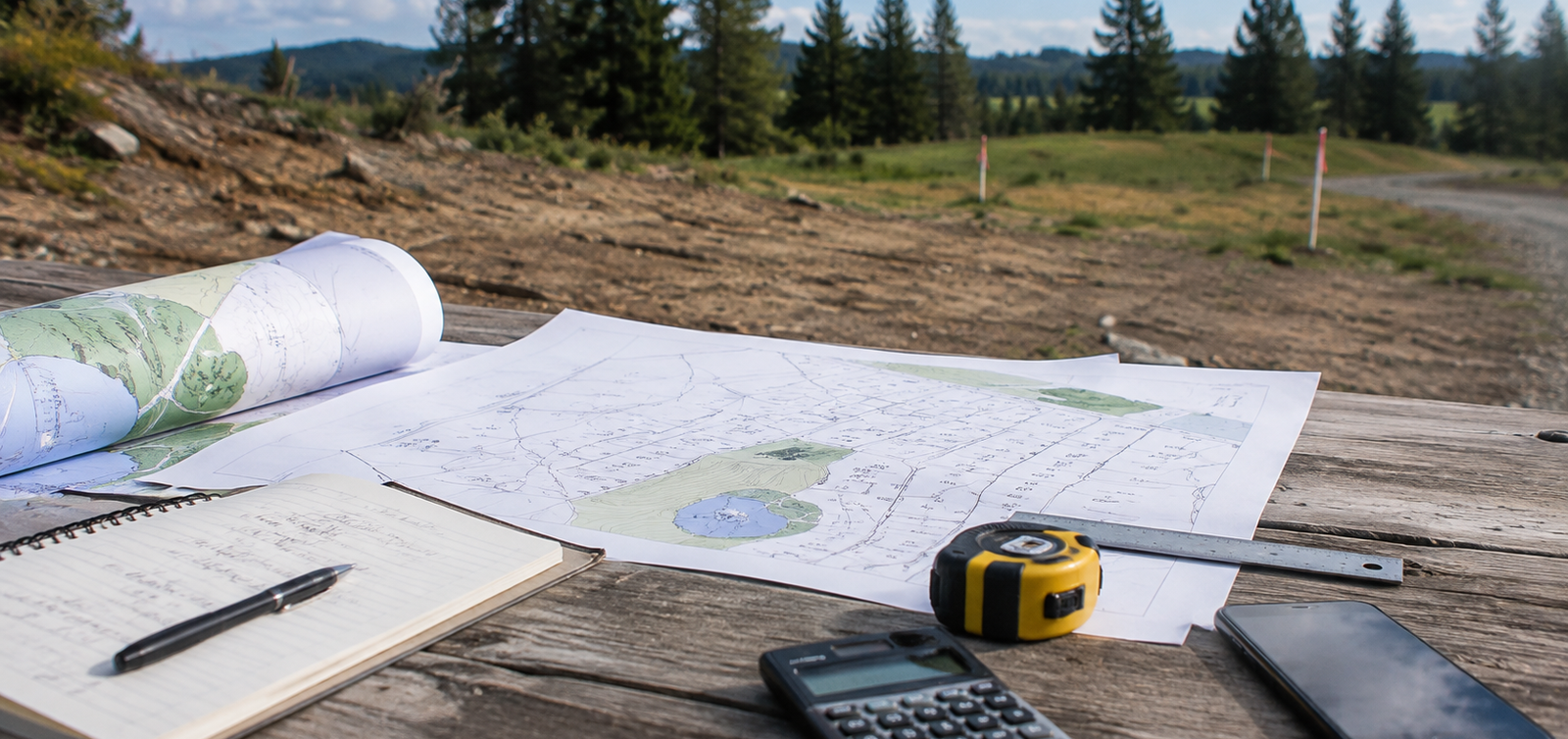
The Cheapest Land Is Not Always the Lowest-Cost Land
This is the part I would keep coming back to.
When planning a house, the purchase price is visible.
The problems hiding behind that price often aren’t.
A property that costs slightly more but gives you easier access, better infrastructure and fewer site complications could ultimately protect your construction budget far better than the bargain plot.
I’ve learned to be very cautious with decisions that look cheap at the beginning.
Construction has a way of revealing the real cost later.
And by then, changing direction can be extremely expensive.
Before You Make an Offer, Evaluate the Land on Paper
That is why I created the AMAIQBUILD Land Purchase Evaluation Checklist.
It gives you one place to compare potential properties using consistent criteria instead of trying to remember everything after each viewing.
Use it while researching land, bring it with you when visiting properties, and use the notes and scoring sections to compare your options afterward.
The goal isn’t to find perfect land.
It’s to understand what you’re buying before the land becomes the foundation of your entire project.
Buying land for your future home?
Before You Buy the Land, Evaluate It First
Get the free AMAIQBUILD Land Purchase Evaluation Checklist and compare access, utilities, restrictions, risks, development potential and overall value before you make an offer.
Get the Free Land Checklist